Lessons from 20+ Years in Driver Recruiting

Lessons from 20+ Years in Driver Recruiting
The trucking industry has changed a lot over the past two decades. Technology has advanced, regulations have shifted, and driver expectations have evolved. But one thing has stayed the same, the challenge of finding and keeping good drivers.
At HireMaster.Ai, our team brings together over 20 years of experience in driver recruiting. We’ve seen hiring seasons rise and fall, platforms come and go, and strategies that worked one year suddenly become outdated the next.
Through it all, a few key lessons have consistently shaped how we help fleets run more effective campaigns. If you're trying to attract drivers in today’s market, here are some of the biggest takeaways we’ve learned.
1. Speed Always Wins
You can have the best ad, the highest pay, and the nicest trucks, but if it takes more than a few hours to follow up with a lead, you’ve already lost them. Drivers are applying to multiple jobs, often on the same day. If your team isn’t quick to respond, someone else will get to them first.
The most successful fleets we work with have systems in place to contact applicants within minutes, not hours. Automation can help, but even a personal text or call from a recruiter within 30 minutes can make a huge difference.
2. You Can’t Just Post and Hope
Years ago, it might have worked to drop a job on a board and wait for drivers to apply. Not anymore. The market is competitive, and drivers have more options than ever. Success today means building targeted campaigns, optimizing landing pages, monitoring performance, and making changes in real time.
That’s why strategy matters. Posting ads without direction is like throwing darts in the dark. You might hit something, but you’ll waste a lot of time and money in the process.
3. Your Application Process Might Be Holding You Back
One of the most common issues we’ve seen over the years is fleets asking for too much, too soon. Drivers on mobile don’t want to fill out a full application just to express interest. A complicated or lengthy process will cause them to abandon the application altogether.
Instead, we recommend a short form to start the conversation, name, phone, location, maybe license type. Then your recruiting team can follow up and gather what they need. Lower the barrier, and you’ll see more qualified leads come through.
4. The Message Has to Match the Market
A $1,000 sign-on bonus might sound good to you, but is it competitive in your region? Are your benefits clear and appealing? Are you offering something specific drivers care about, like home weekends or newer equipment?
After 20 years in this space, we know that generic job ads don’t perform. What works is understanding the local market, the audience you're targeting, and what really motivates drivers to apply. Tailor the message, or risk being ignored.
5. Trust Is Everything
Drivers are cautious. They’ve dealt with bad information, shady listings, and false promises before. If your ad doesn’t match your landing page, or your website looks outdated, or they can't find a real person to talk to, they’ll move on.
Everything about your campaign, the tone, the visuals, the follow-up, should build confidence. Small details like using your logo, showing real photos of your trucks, or including recruiter contact info can make a big difference in establishing credibility.
How We Apply These Lessons Today
At HireMaster.Ai, we’ve taken these lessons and built a recruiting platform and support team around them. We combine AI-driven targeting with the human experience that comes from years of working in the driver space.
We don’t just run ads. We build full-funnel campaigns that are fast, mobile-first, honest, and optimized to convert. And we constantly refine those campaigns based on the data we see across thousands of jobs.
Experience doesn’t mean doing things the old way. It means knowing what works, what doesn’t, and how to adjust when the market shifts.
If you're looking for a recruiting partner that brings strategy, tech, and real-world insight to the table, let’s talk. Schedule a demo with our team today!
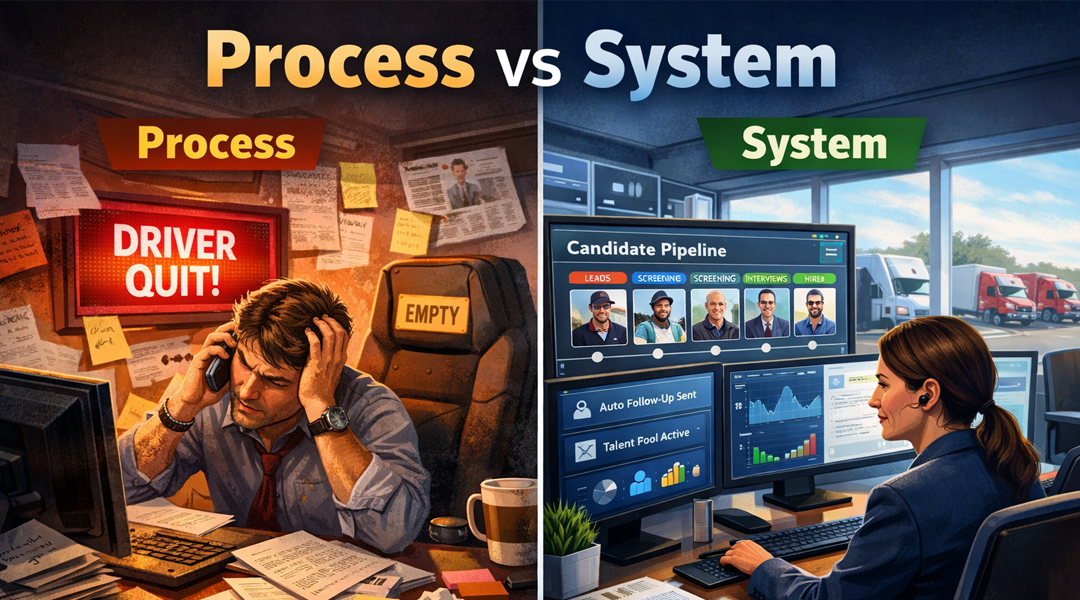
The Difference Between a Recruiting Process and a Recruiting System

The Hidden Recruiter Tax: How Manual Processes Are Costing You Thousands Per Year