
Driver Recruiting: 2016 vs. 2026 – How the Game Completely Changed
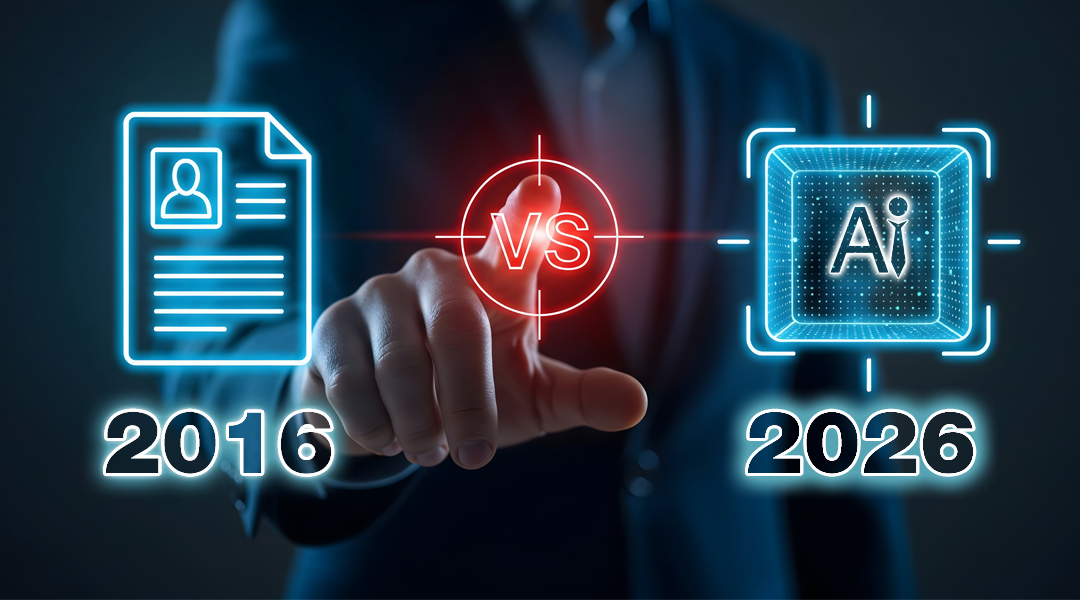
Driver Recruiting: 2016 vs. 2026 – How the Game Completely Changed
Ten years ago, driver recruiting was straightforward. Post a job on a couple boards, maybe run a newspaper ad, wait for applications. The phone rang, recruiters screened, drivers showed up for orientation.
Fast forward to 2026, and that approach has totally changed. The companies still using decade-old recruiting strategies aren't just behind—they're invisible to the drivers they're trying to reach. The technology has evolved. The audience has shifted. And the expectations have fundamentally changed.
Let's break down what's different and what it means for your recruiting strategy.
2016: The Print and Job Board Era
A decade ago, driver recruiting lived in a few predictable places. Job boards like Indeed and Monster were king. Classified ads in trucking magazines still worked. CareerBuilder mattered. Facebook Jobs had just launched and showed promise.
The 2016 playbook looked like this:
- Post jobs on major job boards
- Run classified ads in trucking publications
- Attend job fairs and truck stops with sign-up sheets
- Wait for drivers to call or email
- Screen applications manually via phone
- Simple websites with basic job listings
Communication was slow: Drivers mailed resumes. Recruiters left voicemails. The application process took days or weeks. Nobody expected instant responses, and mobile was just starting to matter.
The audience: Primarily older, experienced drivers comfortable with traditional job hunting methods. They expected to search for jobs, not stumble across them. Desktop computers were still the primary way drivers browsed opportunities.
2026: The AI-Powered, Mobile-First, Social Era
Today's driver recruiting is unrecognizable from a decade ago. It's faster, more targeted, more competitive, and infinitely more complex.
The 2026 reality:
- Drivers discover jobs on social media while scrolling
- Mobile applications dominate—drivers apply from truck stops, not desks
- AI screens candidates before humans ever touch them
- Programmatic advertising distributes jobs across hundreds of channels automatically
- Texting is the primary communication method, not phone calls
- Video testimonials and behind-the-scenes content drive trust
- Retargeting ads follow candidates across platforms
- Chatbots handle initial candidate questions instantly
Communication is instant: Drivers expect responses within hours, not days. They text, not call. They apply in under two minutes on their phones. If your process takes longer or requires desktop access, they're gone.
The audience: A mix of Gen Z entering the workforce, Millennials in their prime earning years, and Gen X veterans. They don't search for jobs, they discover them. They research companies on Glassdoor and Reddit before applying. They value authenticity over corporate messaging.
The Technology Shift
2016 Technology:
- Basic applicant tracking systems
- Manual job posting to individual boards
- Email campaigns (if you were advanced)
- Static career pages
- Phone screening as primary filter
2026 Technology:
- AI-powered candidate screening and matching
- Programmatic job advertising that auto-optimizes spend
- Multi-channel nurture campaigns (email, SMS, retargeting ads)
- Mobile-first, one-click application experiences
- CRM systems that track every candidate touchpoint
- Real-time analytics dashboards showing ROI by source
- Chatbots that pre-screen and engage candidates instantly
- Predictive analytics that identify which candidates will stay
What changed: In 2016, recruiters spent time manually posting jobs and screening every application. In 2026, HireMaster.Ai and similar platforms automate distribution, screening, and optimization, freeing recruiters to focus on relationship-building with qualified candidates, not administrative busywork.
The Channel Explosion
2016 Channels:
- Indeed, Monster, CareerBuilder
- Company website career page
- Facebook (early stages for recruiting)
- Local newspaper classifieds
- Industry-specific job boards
2026 Channels:
- Programmatic networks reaching hundreds of sites
- Instagram, TikTok, Facebook, LinkedIn (all with sophisticated ad targeting)
- Google Search and Display Network
- Mobile apps and aggregators
- Retargeting across the entire web
- SMS campaigns
- Video platforms (YouTube, TikTok) for employer branding
- Community forums and Reddit
- Niche trucking job boards
What changed: Ten years ago, you could succeed by dominating three to five channels. Today, candidates interact with your brand across dozens of touchpoints before applying. Omnichannel isn't optional, it's baseline.
The Audience Evolution
2016 Driver:
- Average age in mid-40s, primarily Baby Boomers and Gen X
- Comfortable with traditional job search methods
- Expected to spend time filling out applications
- Valued job security and straightforward communication
- Researched companies through company websites and word-of-mouth
2026 Driver:
- Average age still mid-to-late 40s, but Millennials and Gen Z entering rapidly
- Expects instant, mobile-first experiences
- Won't complete applications taking longer than a few minutes
- Values work-life balance, flexibility, and company values
- Researches companies through Glassdoor, social media, Reddit, YouTube
- Demands transparency on pay, schedule, equipment before applying
What changed: While the average age hasn't shifted dramatically, expectations have. Even older drivers now use smartphones as their primary device and expect modern, fast experiences. Younger drivers entering the workforce have zero tolerance for clunky, desktop-only processes.
The Expectation Gap
2016 Expectations:
- Drivers expected to wait days for responses
- Multi-step application processes were normal
- In-person interviews at company terminals were standard
- Companies controlled the narrative through their own messaging
2026 Expectations:
- Drivers expect responses within hours, ideally minutes
- Application should take under three minutes on mobile
- Video interviews are standard; some hiring happens entirely remotely
- Drivers control the narrative—online reviews and social media comments matter more than official messaging
- Transparency is mandatory: pay ranges, home time specifics, equipment details upfront
What changed: Power shifted from employers to candidates. In 2016, drivers applied and hoped. In 2026, drivers shop and compare. They have options, and they know it.
The HireMaster.Ai Advantage in 2026
This complexity is exactly why platforms like HireMaster.Ai exist. What required a full recruiting team and multiple vendors a decade ago now runs on intelligent automation.
HireMaster.Ai handles what was impossible in 2016:
- Distributes jobs across hundreds of channels automatically
- Targets specific geographies, experience levels, and candidate profiles with precision
- Retargets candidates who showed interest but didn't apply
- Optimizes ad spend in real-time based on which sources deliver quality hires
- Provides complete attribution showing every touchpoint in a candidate's journey
- Ensures mobile-first, fast application experiences
- Tracks ROI by source, campaign, and channel
- Nurtures candidates for you to ensure applicants are always being engaged
- Ai Phone system to answer phone calls from applicants and complete applications in real time
The result: Recruiters spend time recruiting, not managing technology. The platform handles distribution, optimization, and tracking. You see exactly what's working, what's not, and where to invest more. It is a full scale recruiting platform that can do it all for any user.
What Hasn't Changed
Despite all the evolution, some fundamentals remain:
- Drivers still value authenticity. Whether it's a newspaper ad or a TikTok video, honest messaging wins.
- Retention still matters more than recruiting volume. High turnover was expensive in 2016 and it's expensive now.
- Relationships still close hires. Technology gets candidates to your door—humans get them in the truck.
- The driver shortage persists. Ten years later, we're still talking about shortages. The methods changed, but the challenge didn't disappear.
The Path Forward
If your recruiting strategy looks the same as it did in 2016—or even 2020—you're losing. The drivers you need are on platforms you might not use. They expect experiences you might not offer. They're researching you in places you might not monitor.
The good news? The technology to compete exists. Platforms like HireMaster.Ai level the playing field. Small carriers can run sophisticated, multi-channel campaigns that would have required agency-level budgets a decade ago. Mid-sized fleets can compete with national carriers by being smarter, not bigger.
The question isn't whether recruiting has changed, it's whether you've changed with it.
Adapt or Fall Behind
Driver recruiting in 2026 requires what was unthinkable in 2016: instant mobile experiences, AI-powered optimization, omnichannel distribution, real-time analytics, and authentic social presence.
The carriers filling trucks aren't the ones clinging to decade-old methods. They're the ones embracing modern technology, meeting drivers where they are, and optimizing based on data instead of gut feel.
Ready to bring your recruiting strategy into 2026? Contact HireMaster.Ai to see how we help transportation companies compete with modern, AI-powered recruiting technology.

HireMaster.Ai: Optimizing Every Stage of the Candidate Funnel with AI-Driven Precision
.png)
The Recruiting Flywheel
.jpg)